

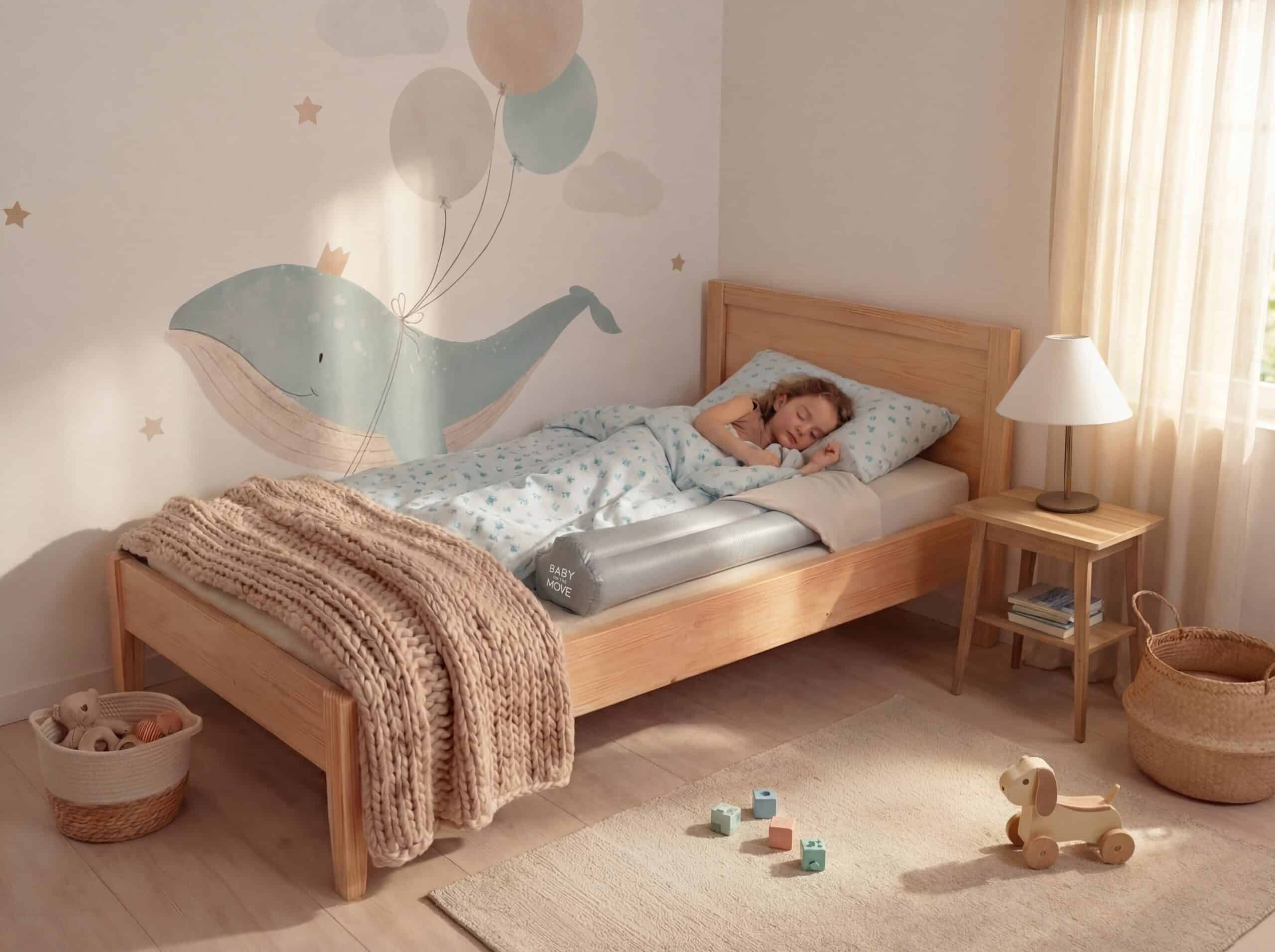
If there is one thing all parents quickly learn, it is this: little ones don not sleep just because they are tired, they sleep because they feel safe. And this becomes even more obvious during the toddler years, especially during the transition from the crib to a “big bed.” Suddenly, the world feels wider, the room looks bigger, and their little brains are working overtime.
But why is that?
Between ages 1 and 6, children undergo tremendous brain development. Their imagination grows faster than their ability to reason, which means that:
- They feel things before they understand them. Emotions often take over.
- They are highly dependent on routines, physical boundaries, and your presence to feel safe.
- Their sleep cycles are lighter, making them more sensitive to sounds, changes in light, temperature and fears.
- Transitions feel HUGE, even positive ones like getting a new big bed.
At bedtime, their nervous system seeks predictability.
Anything that feels “too big,” “too dark,” “too open,” or “too different” can cause uncertainty, even if they cannot explain it. And they will do everything possible they can to stay with you and get extra time, because that moment of drifting off can feel scary without a strong sense of comfort.
Remember, you are their safety net and falling asleep is a natural kind of “letting go” that small children cannot always manage unless they feel calm and protected.
So our goal as parents becomes simple:
Create an environment that feels familiar, predictable and safe. Not perfect, just safe.
Here is what can help:

1. A bed bumper to create physical & emotional boundaries
When toddlers move to a big bed, it is not the size that makes them uneasy, but the openness.
In a crib, everything felt close and cocoon-like. A bed can suddenly feel “too big,” almost like sleeping in the middle of a field.
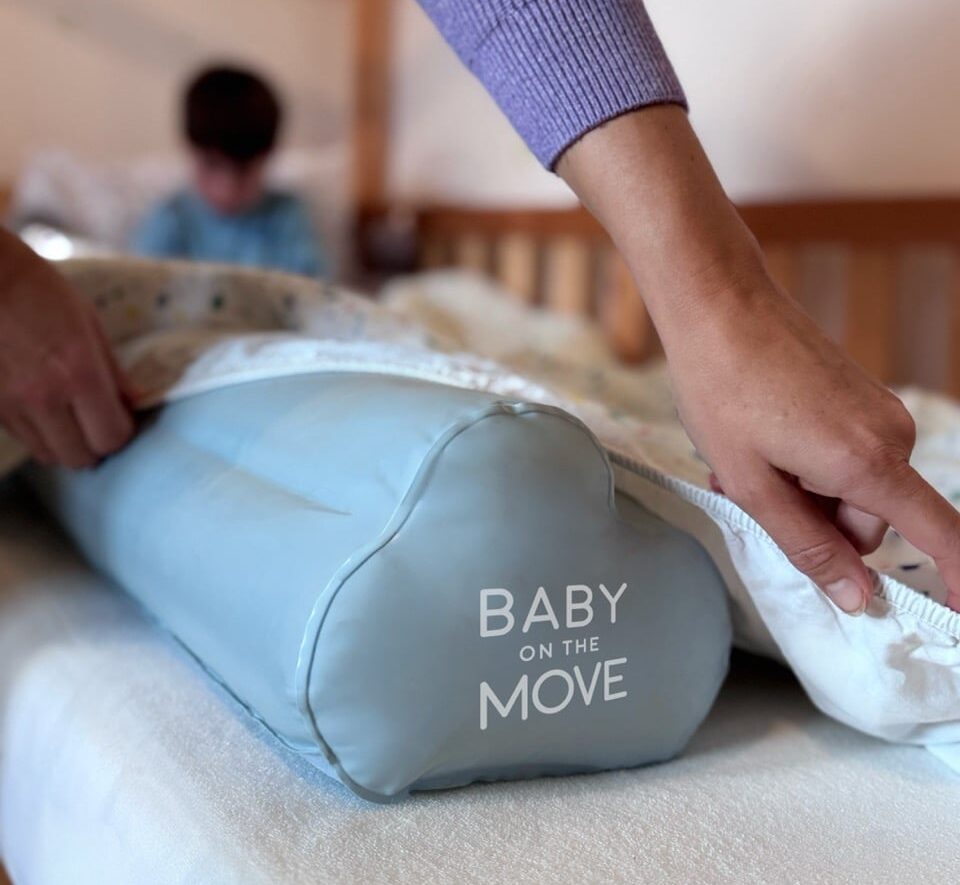
Our Bed Guard helps recreate a sense of boundary that their developing brains need:
- It gives a cozy, secure feeling: “this is my space.”
- It prevents them from rolling out of bed unexpectedly (which toddlers often fear even before it happens).
- It supports a calmer, more confident transition to independent sleeping.
Many parents find that simply adding a bed bumper drastically reduces resistance to bedtime. It is a small change that makes a huge emotional difference. You give them a form of security that they desperately need, a need that they cannot yet express in words.
2. A soft, warm nightlight to avoid overstimulation
Darkness can be confusing for toddlers. Their imagination is very active, while their logic isn’t developed enough to ignore shadows or shapes in their room.
They can quickly become frightened, even though we know there is nothing to be afraid of. The most important thing is that we acknowledge those feelings and respond calmly and attentively.
A gentle, warm nightlight:
- Gives the room a comforting glow
- Helps them orient themselves when they wake up at night
- Prevents overstimulation (bright or white light only makes it worse)
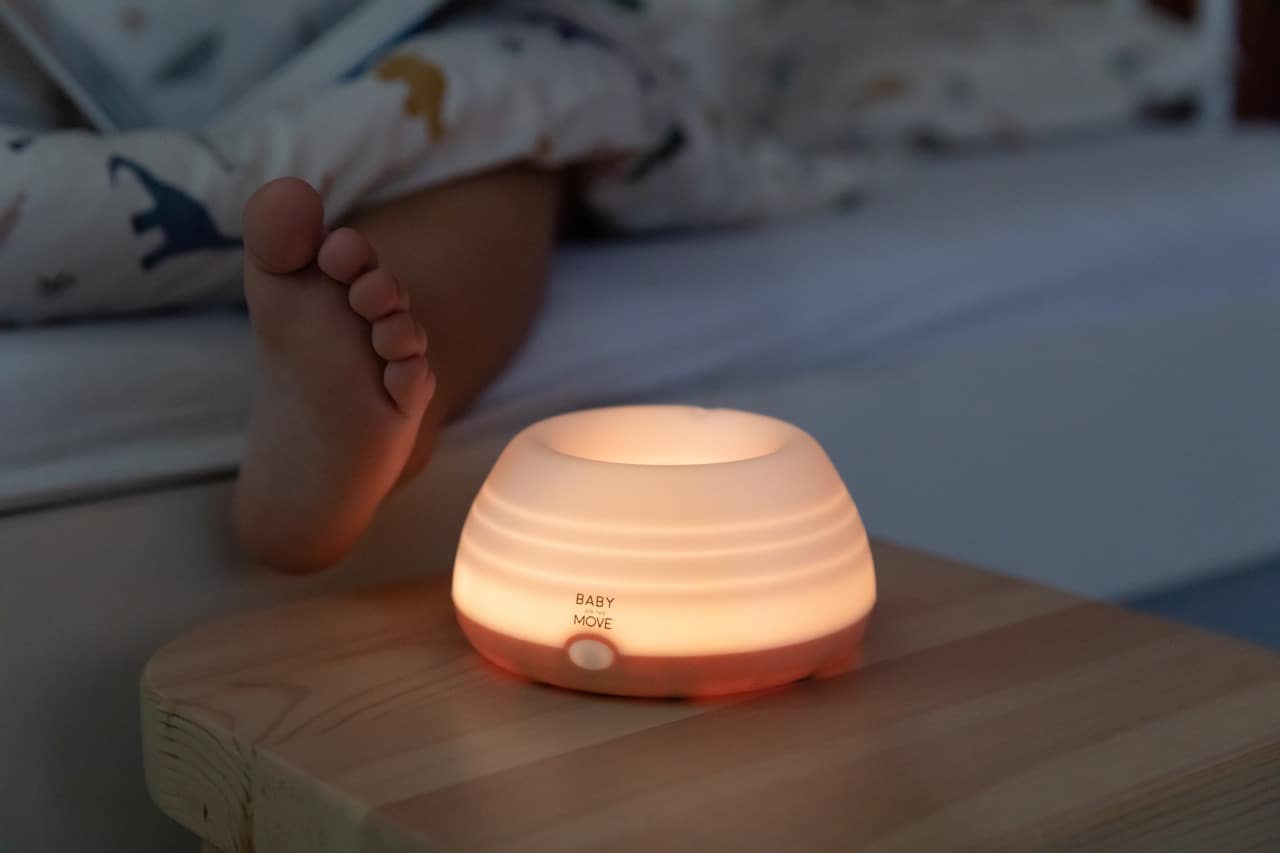
Our Sweet Dreamz Humidifier offers a soft, warm nightlight that is soothing and cozy, not too bright, and becomes a natural part of their bedtime ritual. A soft light in a dark room helps with the production of melatonin, a hormone that calms us down and makes us sleepy.
3. Humidity = comfort and better sleep
A dry room can make little ones uncomfortable even if they can’t express it:
- Dry air → dry nose
- Dry nose → waking up because breathing feels strange
- Waking up → crying → no one sleeps
Our humidifier helps regulate the air naturally:
- Keeps their airways moist
- Reduces nighttime coughing
- Helps with allergies and seasonal dryness
- Creates a stable, cozy sleeping climate
Toddlers sleep more deeply, simply because their noses remain clear, something so small, yet so important.
One last reminder…
Moving to a big bed is one of the most underestimated milestones. It is exciting, yes, but also emotionally overwhelming for little ones. A supportive sleep environment helps their nervous system relax. When these elements come together: boundaries, gentle light, comfortable air, bedtime becomes less of a struggle and more of a gentle transition to sleep.
You are not doing anything wrong if your toddler is having trouble sleeping during this phase. It’s NORMAL. Their brains are developing rapidly, and they need reassurance, patience, understanding, and you.
Little ones do not need perfection. They need consistency, connection, and a space that feels safe.
And you are already doing such a good job giving them that.
Lots of love,
Sarah